
FOR WOMEN
Women’s Wellness Support
Ask questions about menstrual health, pregnancy preparation, menopause, nutrition, emotional wellbeing and other common women’s health concerns.
Explore Women’s Health
Get respectful wellness guidance for women, children and teenage girls in a supportive environment where questions are welcomed and concerns are taken seriously.

Every stage of life brings different questions and concerns. We provide practical health education, supportive conversations and appropriate referrals to help women, parents and teenage girls make informed decisions about their wellbeing.
Choose the area that best reflects your needs and start a respectful, private conversation with our team.
Ask questions about menstrual health, pregnancy preparation, menopause, nutrition, emotional wellbeing and other common women’s health concerns.
Explore Women’s Health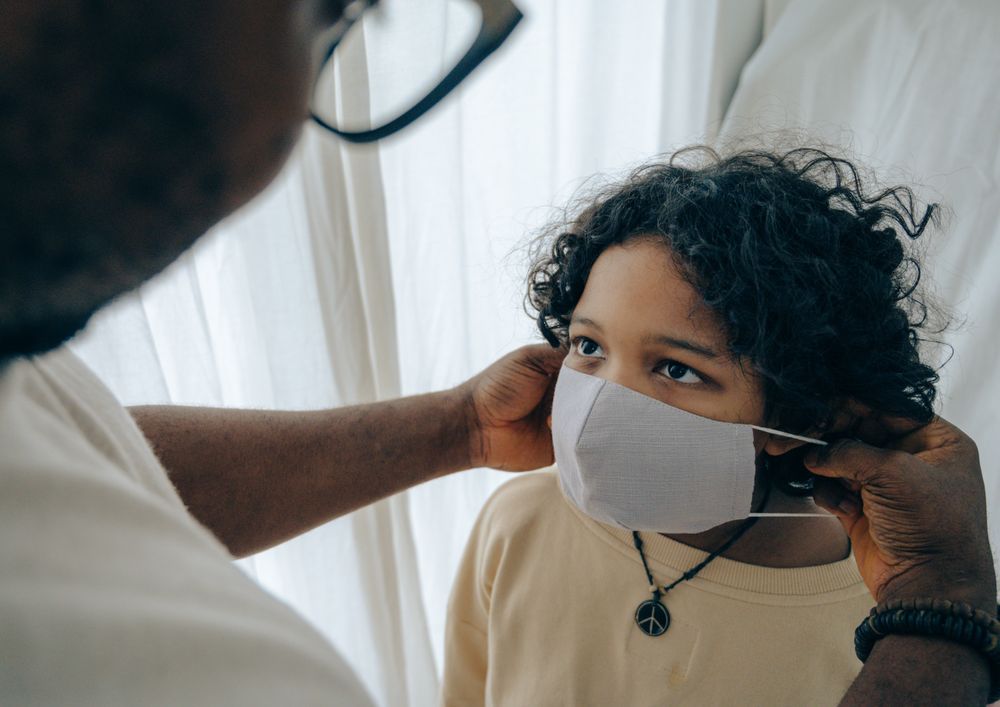
Receive general guidance on nutrition, growth, hygiene, sleep, common childhood concerns and when your child should be assessed by a healthcare professional.
Explore Children’s Health
Teenage girls can ask age-appropriate questions about puberty, periods, body changes, hygiene, emotions, relationships and personal wellbeing.
Visit the Teen Girls’ Corner
Women experience unique physical and emotional changes throughout life. Our team provides a respectful place to ask questions, receive general education and understand when professional medical assessment may be necessary.
Parents can ask general questions about everyday child wellness, healthy routines and common concerns while receiving clear guidance on when to visit a clinic or hospital.

Growing up can bring questions that feel difficult to ask at home, school or among friends. This space allows teenage girls to seek age-appropriate information and respectful guidance.
Understanding normal physical and emotional changes while growing up.
Questions about first periods, cramps, hygiene, tracking and when to seek help.
Practical guidance on body care, intimate hygiene, skin and healthy daily routines.
Support around stress, confidence, friendships, pressure and difficult emotions.
Age-appropriate education about boundaries, respect, consent and speaking to trusted adults.
We aim to create a space where women, parents and girls feel heard, respected and supported.
Your concern will be handled without ridicule, shame or unnecessary judgement.
We encourage private conversations and responsible handling of personal information.
Where an issue requires examination, diagnosis or treatment, we will recommend an appropriate healthcare facility or professional.
Privacy cannot be guaranteed where someone appears to face abuse, exploitation, self-harm or immediate danger.
Complete this short form. Your question will be emailed to our team, after which WhatsApp will open so you can also send the message directly.
Starting a conversation is simple and does not require you to share every personal detail immediately.
Select women’s health, child health, teen girls’ health or another relevant area.
Provide only enough information for our team to understand the general concern.
Our team will respond with general guidance, questions or an appropriate referral.
Read these answers before sending your question to our team.
Ask Your QuestionNo. The page supports women, parents, caregivers and teenage girls, with age-appropriate information and safeguarding measures.
Yes. Teenage girls can ask general health questions, although our team may recommend involving a trusted adult or qualified health professional where appropriate.
We aim to handle conversations respectfully and responsibly. However, confidentiality may be limited where abuse, exploitation, self-harm or immediate danger is suspected.
No. Online messages cannot replace physical examination, medical tests or diagnosis by an appropriately qualified professional.
No. Do not send intimate photographs through the website or WhatsApp. Visit an appropriate healthcare facility for a private professional examination.
Yes. Parents and caregivers may ask general questions about nutrition, routines, development and common child wellness concerns.
No. For severe, rapidly worsening or life-threatening concerns, contact emergency services or go directly to a hospital.
Start a respectful conversation with our team and receive guidance on the most appropriate next step.